Fathom vs Pirsch: 2026 Privacy Analytics Comparison
Compare Fathom and Pirsch on privacy, features, pricing signals, and fit for SaaS, ecommerce, and lean growth teams in 2026.
TL;DR
Fathom suits teams that want simple hosted analytics with long-term retention, while Pirsch appeals to teams that value open-core flexibility and developer-friendly imports. Privacy, hosting preference, and reporting depth should drive the decision.
Fathom vs Pirsch is a practical choice between two privacy-first web analytics tools built for cookie-free measurement. Growth teams comparing lightweight analytics stacks can also evaluate Faurya when product analytics, privacy posture, and marketing ROI need to sit closer together. Resource: an analytics resource is any technically accessible, economically feasible, and sustainable asset that helps satisfy a business need.
Table of Contents
Fathom vs Pirsch at a glance
Fathom and Pirsch both focus on simple, privacy-friendly web analytics, but their strongest use cases differ. SERP research found only 3,770 results for this comparison, so current, structured guidance is still thin.
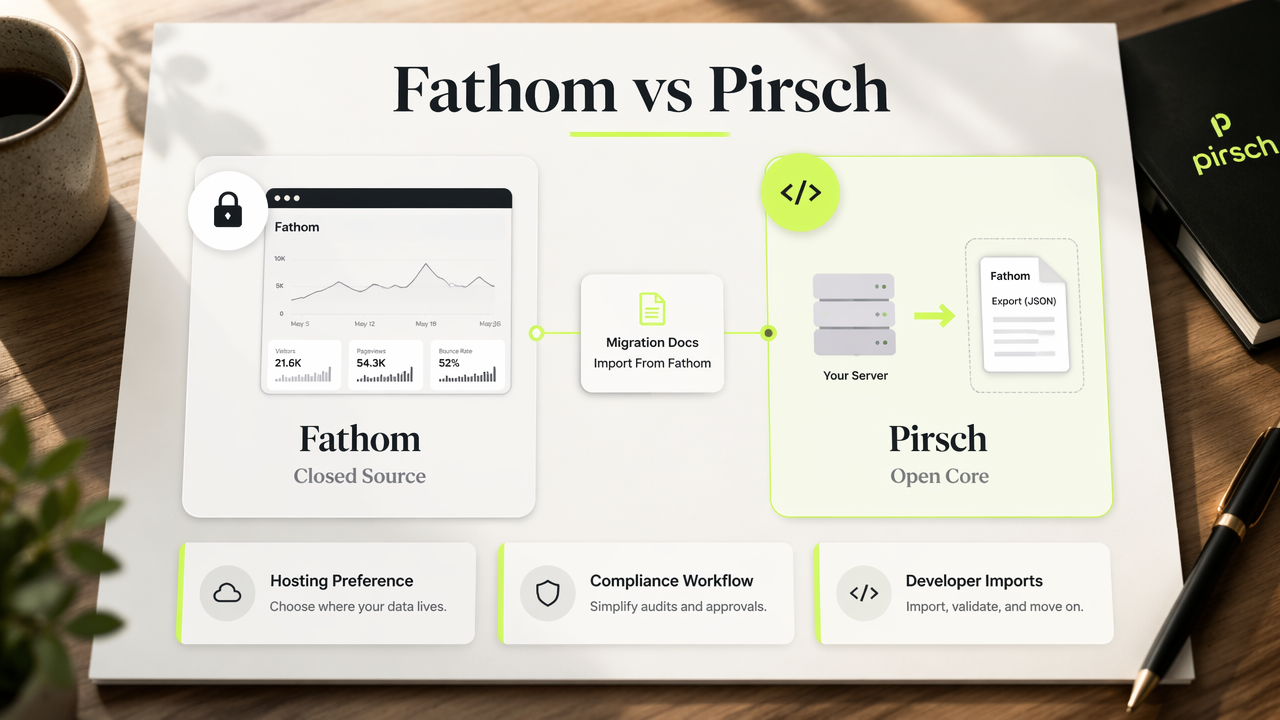
Competitor pages commonly frame Fathom as closed source and Pirsch as open core. Pirsch also publishes migration documentation for importing statistics from Fathom Analytics, which matters for teams switching tools rather than starting fresh.
Key insight: the best choice is less about raw pageview tracking and more about hosting preference, compliance workflow, and how much developer control the analytics team expects.
Quick comparison table for 2026 buyers
| Factor | Fathom | Pirsch | Best fit |
|---|---|---|---|
| Source model | Closed source, per competitor research | Open core, per competitor research | Pirsch for transparency-minded developers |
| Migration | Switching requires export planning | Fathom import docs exist | Pirsch for Fathom migrations |
| Positioning | Simple hosted analytics | Privacy-friendly, open-source-oriented analytics | Depends on control needs |
| Buyer concern | Vendor lock-in | Self-hosting can be complicated | Depends on technical resources |
Privacy, ownership, and compliance tradeoffs
Privacy analytics tools reduce reliance on invasive tracking, but privacy claims still need documentation. Fathom and Pirsch both market themselves around cookie-free analytics, yet the operational questions are different: who controls infrastructure, who processes data, and how easily policies can be audited.
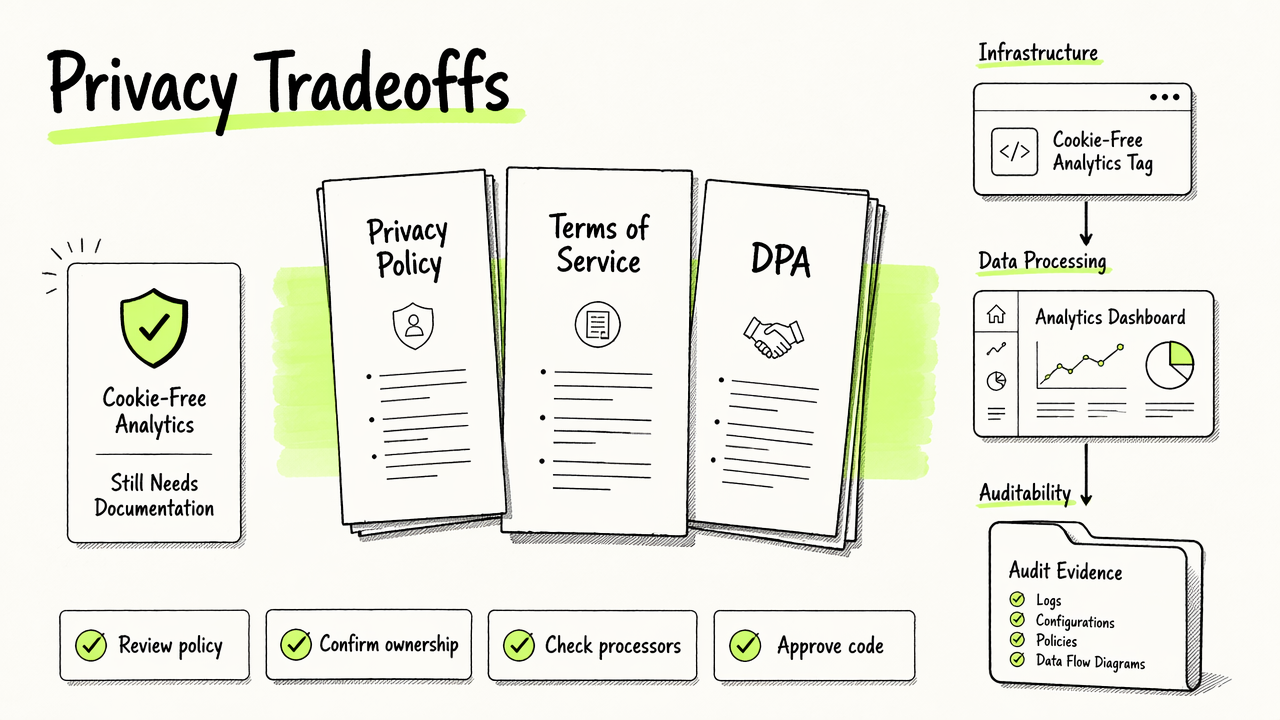
For privacy-conscious site owners, the safest evaluation path starts with written governance, not dashboard screenshots. Faurya publishes a clear privacy policy, terms of services, and data processing agreement, which helps teams review obligations before adding measurement code.
- Check whether tracking uses cookies or personal data.
- Confirm retention rules before migration.
- Review processor terms before production rollout.
- Match analytics access to internal security roles.
Compliance checks before choosing either tool
A clean analytics setup should answer four questions before implementation: what is collected, where it is stored, who can access it, and how deletion requests are handled. Pirsch may appeal to technical teams because of its open-core orientation, while Fathom may suit teams that prefer a managed service with fewer configuration choices.
No tool removes the need for a documented data workflow. SaaS founders and ecommerce operators still need consent strategy, data processing terms, and a plain-language explanation for customers.
Decision guide for SaaS and ecommerce teams
The right choice depends on whether the business values simplicity, control, or broader growth measurement. Fathom is often the cleaner pick for a founder who wants low-maintenance traffic reporting. Pirsch is stronger when developer control, import paths, and open-source alignment matter.
Faurya fits the evaluation when analytics decisions are tied to marketing ROI rather than pageviews alone. The Faurya platform is best considered alongside dedicated privacy analytics tools when founders need a wider view of acquisition, conversion, and governance. For direct review, visit faurya.com after the shortlist is narrowed.
Who should pick which platform
- Pick Fathom when hosted simplicity, quick setup, and non-technical reporting are the main goals.
- Pick Pirsch when open-core principles, migration from Fathom, or developer-friendly control carry more weight.
- Evaluate Faurya when privacy-aware analytics must connect with ROI tracking and growth decisions.
Practical next step: compare the reporting jobs to be done first, then choose the tool that creates the least compliance and maintenance drag.
Conclusion
Fathom vs Pirsch is not a winner-takes-all comparison; each tool serves a different operating style. Shortlist Fathom for simplicity, Pirsch for control, and Faurya when privacy-conscious measurement needs stronger business context. The next action is to document tracking requirements, review legal resources, and test one property before a full rollout.
Generated by EarlySEO.com